Novel lineages from marine sediment
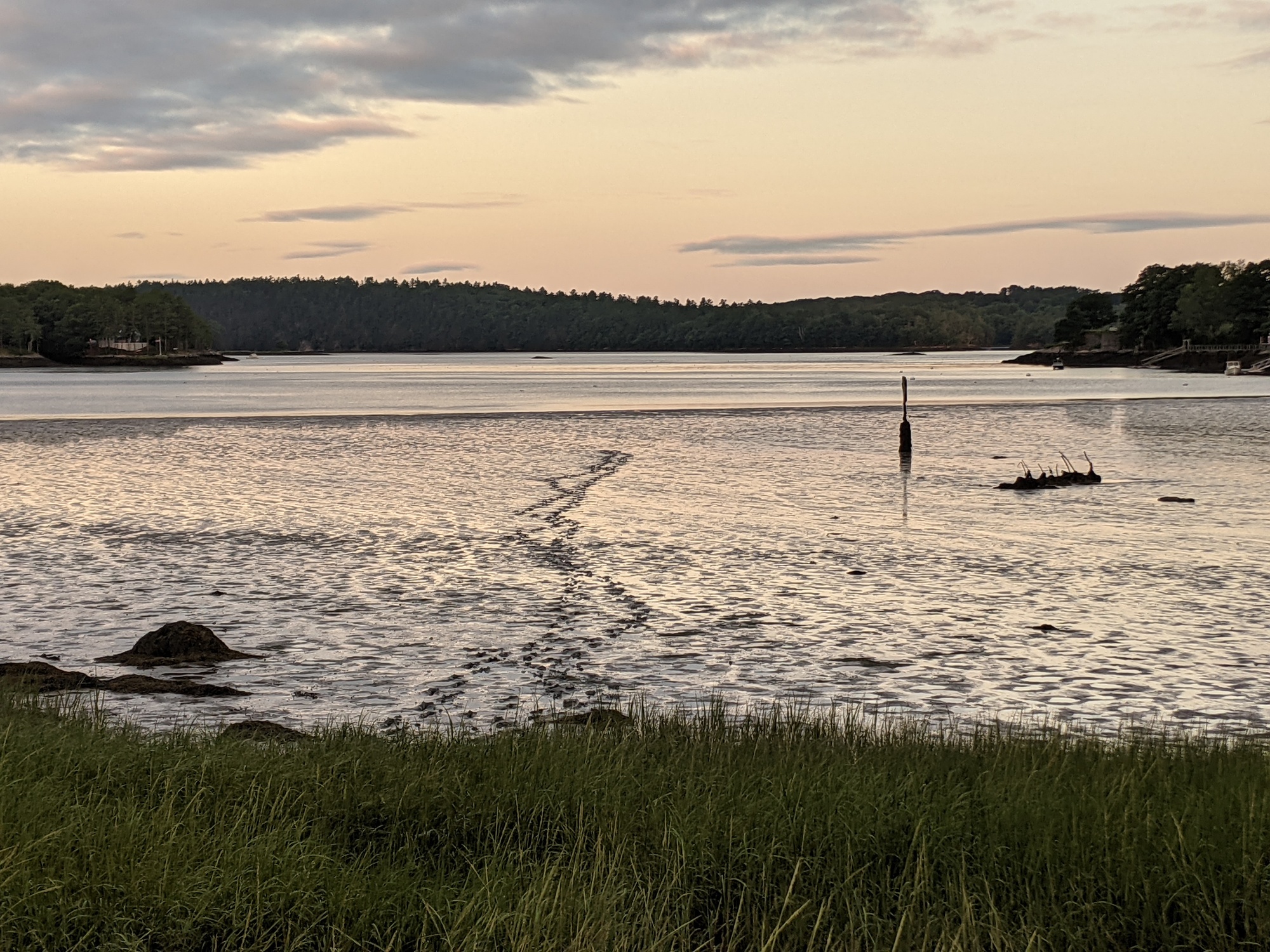
Single-cell genomics on eukaryotes with no cultured representatives.
The problem
Environmental surveys keep turning up eukaryotic lineages that sit outside of known groups at every taxonomic level. That novelty is relevant to questions about where eukaryotes came from and what their last common ancestor looked like, and these organisms may carry new biochemistry and cell structures. Few of them will be amenable to culture in the laboratory.
Unlike classic methods for new lineage discovery, single-cell genomics does not require culture. A partial genome can be recovered from one cell, along with whatever organelles and symbionts came with it, which brings these lineages within reach.
The approach
We sort individual live cells out of sediment by flow cytometry, amplify and sequence each one, and place the resulting genomes on the eukaryotic tree.
What we found
Breviates are a group of microaerophilic flagellates with hydrogen-producing organelles and, unusually, no mitochondrial DNA at all.
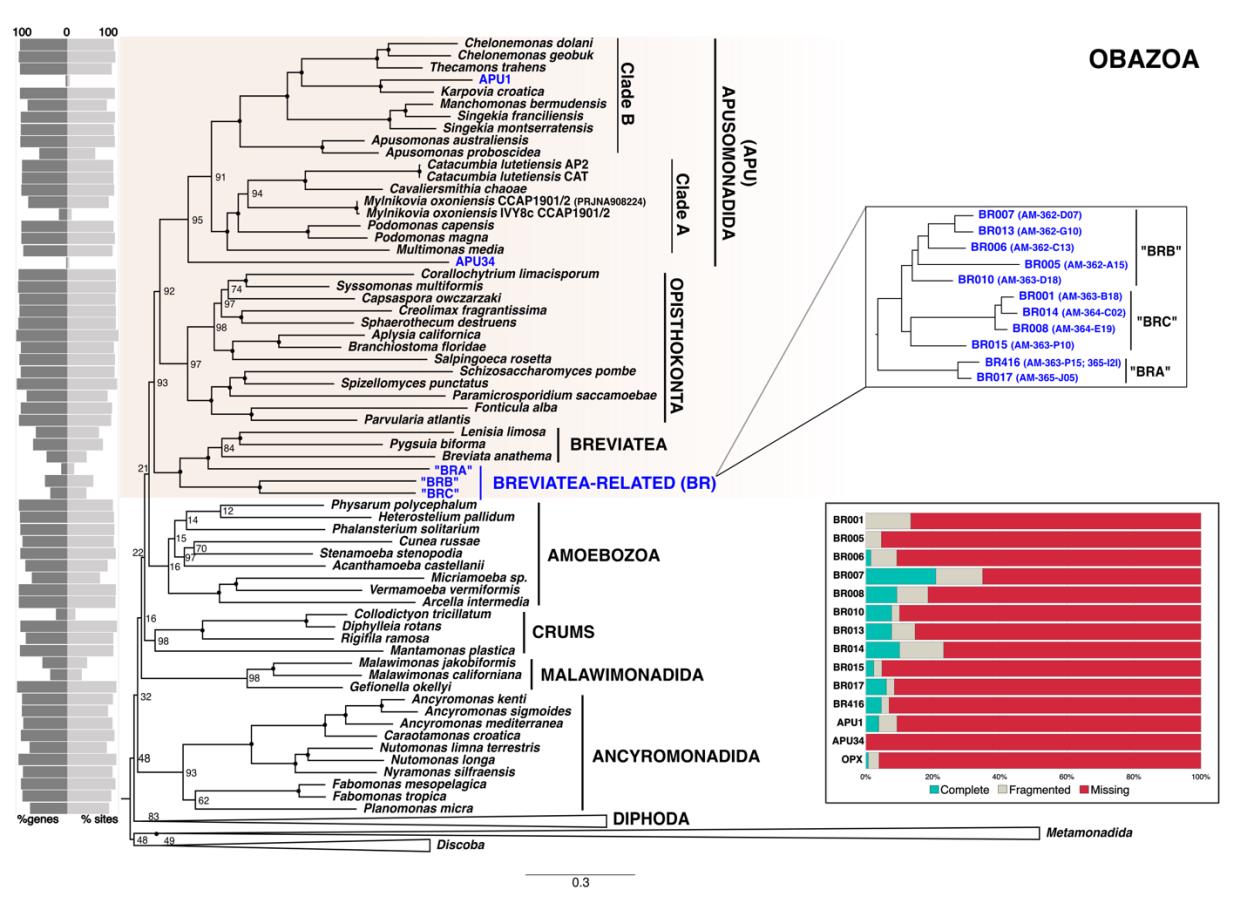
We sorted cells from an intertidal mudflat and found a new lineage related to the breviates. It has mitochondrial genomes, which was not expected, and they encode most of the electron transport chain along with genes that nearly every other eukaryote has either lost or moved to the nucleus. Their nuclear genomes also carry the machinery for anaerobic respiration and hydrogen production, so these cells may be able to work either way depending on the oxygen available.
The same sorting turned up gene-rich mitochondrial genomes in apusomonads, and a good deal of other novel diversity still being worked through. We are also pursuing images and cultures of these novel cells and lineages.
People
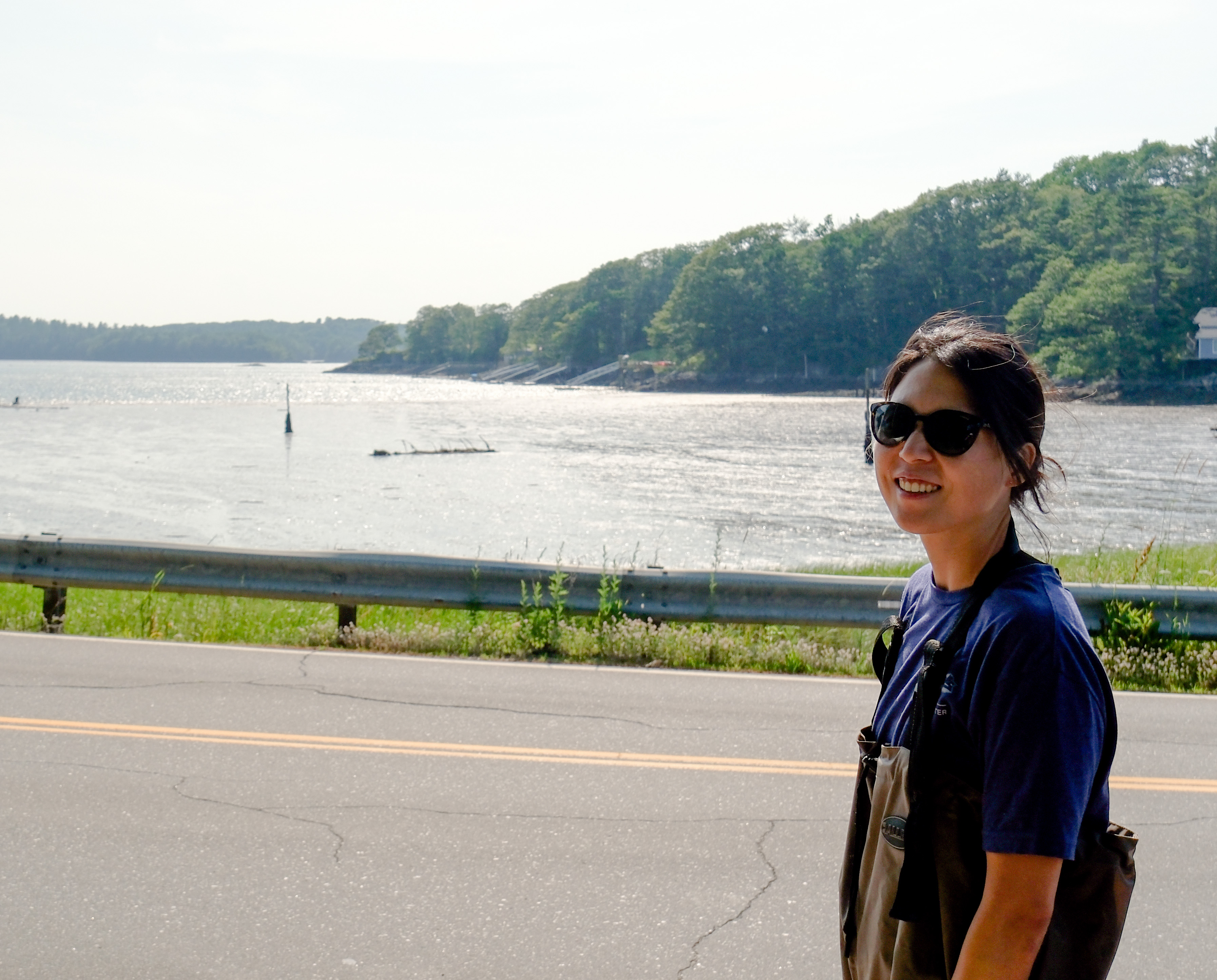
Anna Cho, postdoctoral researcher in the Wideman lab, Arizona State University, leads this work. She came from the Keeling lab at the University of British Columbia, and works on mitochondrial genome evolution in microaerophilic protists, long-read genomics of ploeotids, and flow-sorting environmental single cells.
Collaborators
- Ramunas Stepanauskas, now at Aalborg University. Single-cell genomics.
- Nicole Poulton, Bigelow Laboratory Single Cell Genomics Center. Cell sorting and single-cell genomics.
- Tanja Woyke, DOE Joint Genome Institute. Sequencing.
- Jeremy Wideman, Arizona State University. Mitochondrial genome evolution.
- Xyrus Maurer-Alcalá, William & Mary. Protist genome biology.
Support
Current Support
Currently seeking support for this work!
Prior Support


Additional support was provided through proposal: 10.46936/10.25585/60001099 conducted by the U.S. Department of Energy Joint Genome Institute (https://ror.org/04xm1d337), a DOE Office of Science User Facility, which is supported by the Office of Science of the U.S. Department of Energy operated under Contract No. DE-AC02-05CH11231.